









Key Takeaways:
- Understanding the role of safe drinking water systems in preventing property damage.
- Recognizing common threats to water systems and their potential impact on properties.
- Implementing strategies to safeguard water infrastructure and maintain property integrity.
Table of Contents:
- Common Threats to Water Systems
- Impact of Water System Failures on Property
- Strategies for Protecting Water Systems
- Case Studies of Water System Failures
- Conclusion
Safe drinking water systems are foundational to both public health and the protection of residential and commercial properties. When these systems are well maintained, they help ensure that homes and businesses are shielded from the costly fallout of leaks, contamination, and infrastructure failures. In areas like Las Vegas, professional back pressure prevention services Las Vegas play a vital role in protecting water quality and preventing backflow incidents that could lead to severe property damage.
Proactive water system management is crucial for property owners to minimize safety risks and financial losses. Challenges like urbanization and climate variability threaten modern water systems, necessitating preventive measures to ensure reliability. For property managers and planners, prioritizing water safety is essential to avoid disruptions and infrastructure damage, which can significantly impact community well-being and property values.

Common Threats to Water Systems
The safety and effectiveness of drinking water systems are threatened by natural disasters, cyberattacks, and aging infrastructure. Natural disasters like floods and earthquakes can damage pipes and treatment facilities, leading to contamination issues, as highlighted by the increasing severity of extreme weather events. Cyberattacks on modernized water utilities can disrupt treatment and distribution, posing risks to water quality, as shown by the cyberattack on American Water. Additionally, many cities rely on outdated infrastructure, increasing the likelihood of leaks and water-quality issues.
Impact of Water System Failures on Property
Water system failures severely impact properties, causing immediate structural damage, health hazards, and financial losses. Structural issues arise from leaks or bursts that compromise foundations and promote mold growth, requiring costly repairs. Contaminated water poses health risks by introducing harmful substances that can cause illness. Additionally, repeated failures devalue properties and increase insurance costs, burdening owners and insurers. Prioritizing water safety is essential to prevent recurring emergencies and catastrophic losses.
Strategies for Protecting Water Systems
Effective management and regular evaluation of water system components can help mitigate many risks. Key strategies to protect systems and minimize the threat of property damage include:
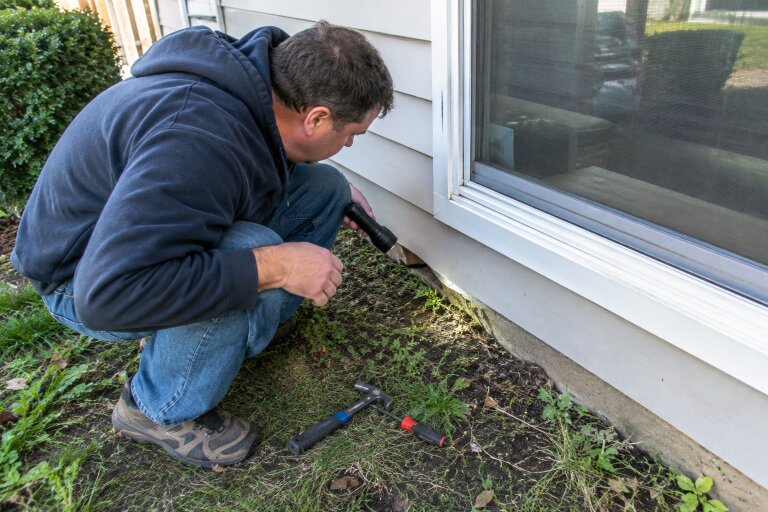
- Regular Maintenance and Inspections: Proactive inspections and scheduled maintenance allow property managers to identify worn or vulnerable parts before catastrophic failures occur. Utilizing digital monitoring or pressure sensors can alert teams to leaks early, stopping small problems from escalating.
- Implement Cybersecurity Measures: With an increasing digital presence in water utility operations, ensuring robust cybersecurity protocols has never been more crucial. Firewalls, multi-factor authentication, and regular employee training guard against external threats that could cripple water delivery or contaminate the supply.
- Upgrade Aging Infrastructure: Replacing old pipes, updating treatment processes, and embracing smart technology are essential investments. These upgrades boost resilience and reduce both maintenance costs and emergency repairs over time.
- Develop Emergency Response Plans: Preparing for disasters—whether natural or intentional—requires clear action plans, communication channels, and trained responders. Emergency drills and up-to-date contact lists help minimize downtime and property damage when incidents occur.
Collaboration between public utilities, private property owners, and local governments ensures that all stakeholders are prepared and informed regarding system status and safety measures.
Case Studies of Water System Failures
Past incidents serve as reminders of the importance of vigilance and investment in water system safety:
- Flint Water Crisis: In Flint, Michigan, a shift to a new water source without adequate corrosion controls led to dangerous levels of lead leaching into the city’s drinking water. The health costs were severe, and property values plummeted due to widely publicized contamination and the need for extensive infrastructure repairs. The case highlighted the importance of rigorous water testing and oversight of infrastructure.
- Cyberattack on American Water: A major cyberattack on American Water forced shutdowns of administrative systems and exposed critical vulnerabilities in its digital components. The incident demonstrated that even major utilities are not immune to cyber threats and that regular audits and layered security protections are essential.
Each of these notable events illustrates the real-world impact water system failures can have on property and underscores why ongoing attention to water safety should be a top priority at every organizational and governmental level.
Conclusion
Maintaining safe drinking water systems stands as a crucial element of property protection and public health assurance. By addressing both legacy threats, such as aging pipes, and emerging challenges, like cyberattacks, communities can fortify their infrastructure against costly disruptions. With regular maintenance, robust planning, and interagency cooperation, property owners and municipalities can prevent the kind of damage that erodes trust, devalues investment, and threatens public welfare.