









Table of Contents
- Importance of Regular Inspections
- Common Signs of Tank Deterioration
- Preventive Maintenance Tips
- Responding to Leaks and Spills
- Regulatory Compliance and Safety Standards
- Benefits of Professional Inspections
- Conclusion
Keeping your home’s oil tank in top condition is crucial for more than just reliable heating. It’s a foundational step in safeguarding your family’s wellbeing and protecting the environment. Consistent maintenance helps you avoid costly repairs, extend equipment life, and conserve energy. When considering upgrades or removals, exploring options like oil tank removal montebello ny can offer you peace of mind and long-term safety for your property.
Neglect can accelerate corrosion and structural breakdowns, heightening the risk of leaks that contaminate soil and pose health hazards. Prioritizing regular checks and adopting a proactive maintenance approach can shield you from these risks, keeping your home safe and compliant with environmental standards.
Importance of Regular Inspections
Scheduling frequent inspections is the first line of defense against oil tank failures. Over the years, tanks can suffer from wear, corrosion, and rust, all of which compromise their integrity. According to the Environmental Health and Safety department at Penn State University, routine tank checks are instrumental in catching these issues early, reducing the risk of hazardous leaks and environmental damage. Homeowners can reference reputable sources like the U.S. Department of Energy’s Home Heating Systems guide to establish a regular inspection schedule tailored to their needs.
It is essential to establish a routine for tracking inspection dates and any work performed on your oil tank. Keeping written records or logs can be critical if you need to demonstrate a history of maintenance for insurance purposes or when selling your home. Inspection records provide valuable proof that you have upheld your responsibilities as a homeowner and can even add value at the point of sale. Being vigilant and organized about inspections translates to fewer surprises, allowing you to tackle minor issues before they balloon into major mishaps.
Another aspect to consider is the changing environmental conditions throughout the year, which can impact tank health. For example, winter’s repeated freeze-thaw cycles can exacerbate tiny cracks or seams, making biannual checks in spring and autumn especially valuable. By adapting your inspection frequency to climate and usage, you take a more tailored approach that can further prevent damage.
Common Signs of Tank Deterioration
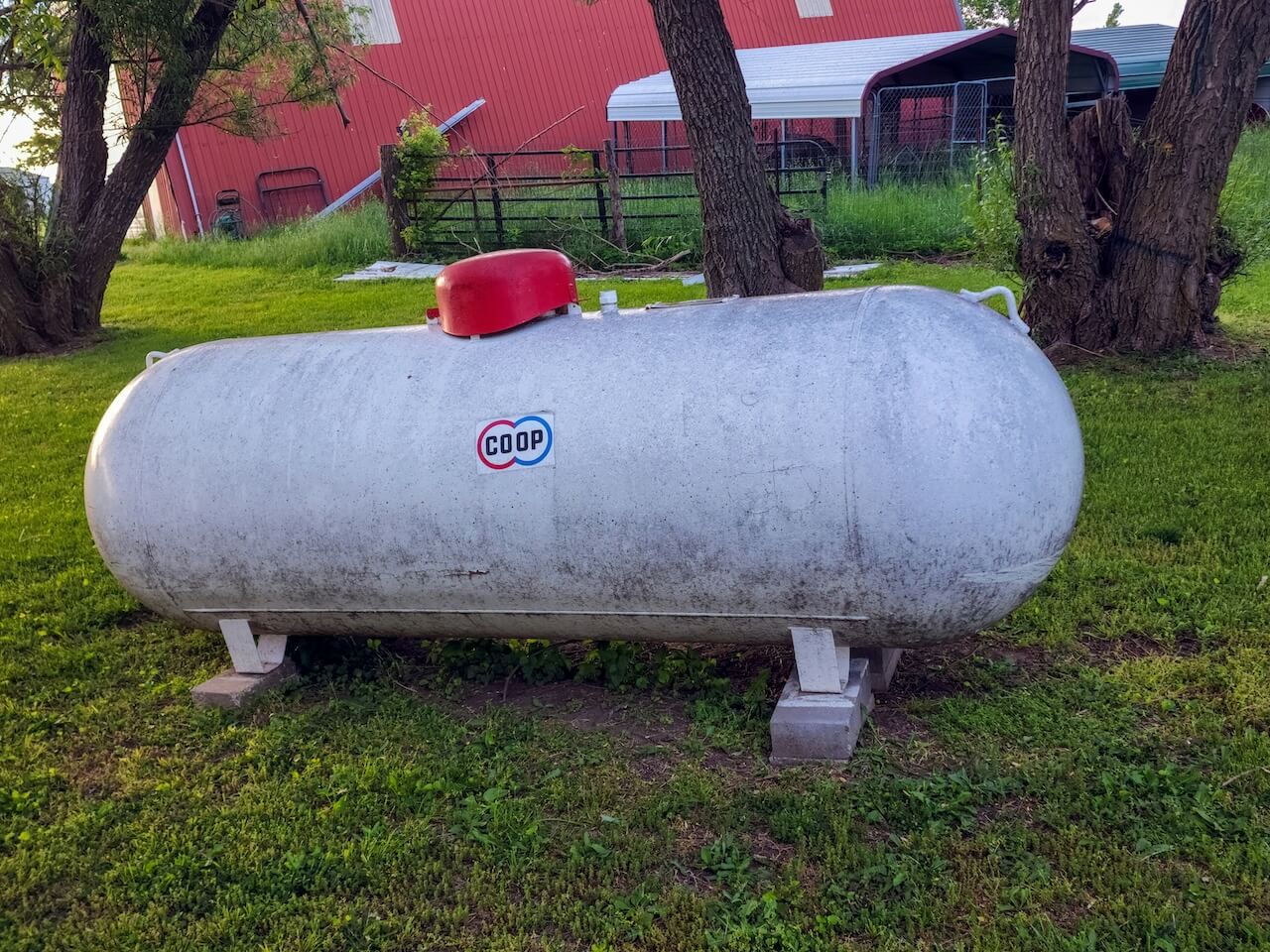
Recognizing early warning signs is vital for prompt intervention. Homeowners should stay alert for:
- Unsteady or sagging tank legs and supports
- Patches of rust, wetness, or visible dents on the exterior
- Noticeable leaks at pipes, filters, or connection points
- Obstructed vent pipes from snow, ice, or built-up debris
- Irregularities in fuel consumption point to unseen leaks
Responding quickly to these symptoms can halt minor issues before they escalate into major complications.
One sign often overlooked is a persistent odor of heating oil near the tank or in your basement. Such odors may suggest slow leaks, even if liquid is not immediately visible. Homeowners should also monitor for unexplained moisture or rust streaks beneath the tank, which can reveal gradual seeping. Taking the time to walk around the tank and inspect it from several angles will help catch subtle signs of deterioration that may go unnoticed if viewed from only one perspective.
Preventive Maintenance Tips
To minimize risk and maintain optimal tank function:
- Arrange an annual service visit via your heating oil supplier. Comprehensive service plans typically include a thorough equipment appraisal and proactive repairs.
- Check your tank’s exterior and connections for signs of leakage prior to each delivery. Promptly address any anomalies you spot.
- Monitor oil consumption and investigate sudden usage spikes, as these often indicate a hidden leak or malfunction.
- Keep the area around your tank tidy and clear away debris or overgrown plants that might trap moisture or interfere with the system.
Implementing these strategies significantly lowers your chance of leaks and helps preserve the value of your home.
Additionally, if your oil tank is above ground and exposed to sunlight, consider installing a shade or shelter to reduce temperature fluctuations. These changes in temperature can cause condensation inside the tank, potentially leading to water buildup and rust. Make sure vent and fill pipes are capped securely after service or delivery, and periodically test the tank’s alarm or gauge for proper operation. For property owners with underground tanks, professional leak detection services or soil testing can uncover hidden risks. Being mindful of your tank’s age, many have a typical lifespan of 15-25 years, can also help you plan timely upgrades or removals before failure occurs.
Responding to Leaks and Spills
Any sign of a leak or spill demands immediate action:
- Contact your oil supplier and an accredited environmental response professional promptly.
- Report the incident to the relevant authorities as required by local and state laws.
- Stay clear of using electrical equipment near the affected area to avoid igniting fumes.
- Do not undertake the cleanup yourself. Professional remediation is necessary to guarantee safety and proper documentation for insurance and regulatory compliance.
Timely and responsible action can substantially reduce both environmental impacts and potential repair costs.
Preparation is equally crucial. Having a clearly visible and accessible emergency contact list near your oil tank area, as well as quick-reference instructions for handling small spills, empowers family members and tenants to act quickly in your absence. Spill kits, which include absorbent pads and containment socks, can help control minor spills while waiting for professional help. Also, familiarize everyone in your household with the symptoms of oil vapor exposure, such as headaches or nausea, so that health risks are addressed right away if they arise.
Regulatory Compliance and Safety Standards
Complying with environmental and building regulations is as important as preventive maintenance. States like New York have explicit guidelines for managing and servicing home oil tanks to ensure safety and prevent contamination. Homeowners should consult resources such as the EPA’s Oil Spills Prevention and Preparedness Regulations to understand their responsibilities. Staying informed and compliant helps sidestep legal troubles and large financial penalties.
Local municipalities may also require permits for tank installation or removal, and annual inspections for existing systems. Obtaining professional help ensures all documentation and notifications are correctly filed. Upgrading to modern double-walled or fiberglass tanks may also be incentivized by local grants or tax credits aimed at reducing environmental risks. Ensure you keep copies of all permits and inspection reports in a home maintenance file in case questions arise during insurance claims or property transfers.
Benefits of Professional Inspections
While homeowner vigilance plays a key role, engaging licensed experts for annual tank inspections provides unique advantages:
- Specialized equipment is used to uncover hidden weaknesses, giving a more thorough risk assessment than a visual inspection alone
- Experts offer prompt repair or replacement recommendations with a focus on long-term safety and efficiency
- Detailed reports can support claims for insurance, property resale, or warranty coverage
Using professional services to complement your own routine inspections creates an added layer of security and peace of mind regarding your home’s heating infrastructure.
Professionals may also advise you on emerging best practices and the latest technologies for oil tank monitoring, such as digital sensors that alert you to leaks or low fuel levels via smartphone apps. In many cases, their experience enables them to spot vulnerabilities based on regional conditions, such as proximity to groundwater or areas prone to seasonal flooding. Building a relationship with a reputable oil tank service provider ensures you have the right support when you need it most.
Conclusion
Giving priority to regular oil tank maintenance protects your home investment, ensures family safety, and limits environmental harm. With habits like annual professional inspections, proactive service planning, and an eye for common warning signs, homeowners can avoid costly emergencies and uphold high safety standards in their community.
A well-maintained oil tank system not only delivers uninterrupted comfort during the coldest months but also reinforces your commitment to health, safety, and the value of your property. Remember, even simple steps such as monitoring oil levels, keeping inspection records, and consulting experts can make all the difference in supporting a safe and sustainable home environment. Committing to these practices benefits not only your household but also your neighborhood and local ecosystem for years to come.


