











Introduction
Embarking on the road to homeownership can feel overwhelming, but a solid understanding of home loan fundamentals will empower you to make wise choices every step. Whether you’re a first-time buyer or looking to refresh your knowledge, knowing the essentials can help you navigate the process and connect with a residential mortgage professional who will look out for your best interests. Securing the right loan is more than just finding a rate—it’s about ensuring your purchase aligns with your financial goals and lifestyle.
With a shifting market and an evolving landscape of loan products, today’s buyers must be well-informed. This guide covers everything from assessing your financial readiness to understanding the extra costs of homeownership, arming you with the knowledge to move forward confidently.
Assessing Your Financial Health
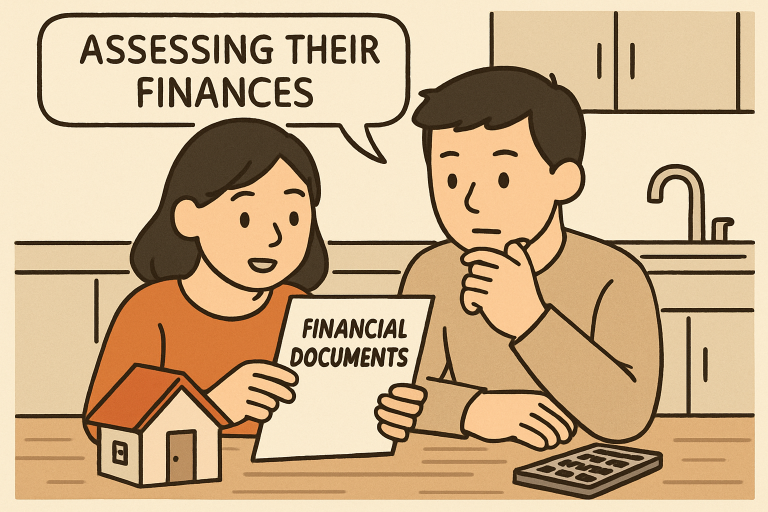
Before beginning your property search, evaluate your finances. Lenders consider factors like your credit score, debt-to-income ratio (DTI), and liquid assets when determining how much they’re willing to lend.
Credit Score
Your credit score is often the first metric lenders examine. A higher score typically translates to lower interest rates and better loan terms. Most conventional loans require a score of at least 620, while government-insured loans may have lower thresholds. It’s important to review your credit report, correct any inaccuracies, and address problem areas early. Strategies for improvement include making timely payments and paying down revolving debts. Learn more about improving your credit score.
Debt-to-Income Ratio (DTI)
DTI measures your monthly debt obligations against your gross monthly income. Most lenders prefer a DTI under 36%, although exceptional circumstances may allow for slightly higher ratios. Lowering your DTI—by reducing your debt or increasing your income—can expand your mortgage options and raise your borrowing limit.
Exploring Mortgage Options
There are several types of mortgages on the market, each serving a different type of buyer with unique financial situations. Understanding these can help you make a choice that supports your immediate needs and long-term plans.
- Conventional Loans: Provided by private lenders, these loans are typically suited for buyers with strong credit and stable income. You’ll often need at least a 3% down payment, and PMI is generally required for down payments under 20%.
- FHA Loans: These are government-backed, making homeownership accessible for buyers with moderate credit or less cash for a down payment. Minimum down payments start at 3.5% and credit score requirements can be lower than for conventional loans.
- VA Loans: Reserved for eligible veterans and active-duty military, VA loans often do not require a down payment or PMI, and generally feature favorable terms.
- USDA Loans: These loans offer 100% financing for certain properties and are targeted at rural and suburban buyers who meet specific income limitations.
Each mortgage option comes with its own set of advantages, limitations, and qualification requirements. To navigate these choices effectively, working with a knowledgeable mortgage broker in Indian Land ensures you receive personalized guidance aligned with your financial goals. Their expertise can help you identify the most suitable loan solution, streamline the application process, and secure favorable terms—making your homeownership journey smoother and more successful.
Importance of Pre-Approval
Getting pre-approved for a mortgage should be one of your first steps in the buying process. Pre-approval means a lender has reviewed your finances and conditionally agreed to lend you up to a specified amount. This not only gives you a clear budget as you shop but also signals to sellers that you’re a prepared and serious buyer, which can make your offer more attractive in competitive markets. Learn more about what’s involved with pre-approval and how it can benefit you at every purchase stage. Discover more about the pre-approval process.
Understanding Additional Costs
Owning a home involves more than the principal and interest payment on your loan. Savvy buyers look ahead and budget for all expenses, ensuring they’re not caught off guard after closing.
- Closing Costs: These one-time fees paid at settlement typically total between 2% and 5% of the home’s purchase price. Expenses include loan origination, appraisal, title insurance, and more.
- Property Taxes and Insurance: These recurring costs vary based on your home’s value and location. They’re often escrowed with your loan payment but can represent a significant outlay.
- Maintenance and Repairs: From routine upkeep to unexpected fixes, ongoing maintenance is critical for protecting your investment. Experts recommend budgeting at least 1% of your home’s value per year for these expenses.
Accurately estimating these costs now will prevent financial surprises and help you enjoy your new home with confidence.
Working with Professionals
Teaming with experienced professionals can save you time, money, and stress throughout the home-buying journey.
- Real Estate Agent: An agent with local expertise can match you with the right properties, guide your negotiations, and ensure smooth handling of paperwork and deadlines.
- Mortgage Broker: Brokers have access to a range of loan products from multiple lenders and can help you secure the best combination of rates and terms for your situation.
Choosing the right partners ensures your questions are answered and your interests are protected, from first showing to final closing.
Staying Informed About Market Trends
The real estate market is always evolving. Changes in interest rates, housing inventory, and buyer demand can impact what you can afford and when it’s best to buy. Regularly following market news from expert sources and consulting with your agent helps you spot opportunities and avoid pitfalls. Staying informed will help you make timely, well-founded decisions and maximize your investment.
By mastering these home loan basics, today’s buyers can confidently approach the home-buying process and secure a mortgage that fits their needs for years to come.