










Key Takeaways
- Classic roadsters have significantly influenced modern automotive design and culture.
- Their timeless aesthetics and performance continue to inspire contemporary car enthusiasts and manufacturers.
- Understanding the legacy of roadsters provides insight into the evolution of car culture.
Table of Contents
- Introduction
- The Golden Age of Roadsters
- Design Elements That Endure
- Performance and Innovation
- Cultural Impact
- Modern Interpretations
- The Future of Roadsters
- Conclusion
Introduction
Few vehicles have left as lasting an impression on the automotive world as classic roadsters. These cars, characterized by their open-top designs and sporty lines, continue to serve as the benchmark for what car enthusiasts seek in a truly exhilarating drive. The rich legacy of roadsters is evident not just in the vehicles themselves, but also in the vibrant culture that surrounds them. From their debut in the early to mid-20th century to their enduring influence today, classic roadsters are a testament to the spirit of innovation and freedom on the road. The profound impact of roadsters extends beyond nostalgia. It inspires contemporary designers, engineers, and car lovers worldwide. Whether you are a collector, a casual fan, or searching for a genuine piece of automotive history like a 54 Corvette for sale, understanding these vehicles offers a deeper appreciation for how roadsters have shaped the car culture we know today.
The Golden Age of Roadsters
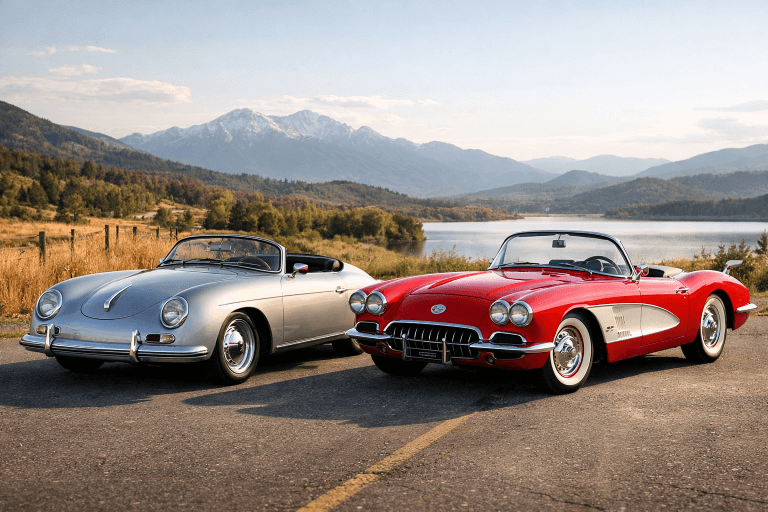
The golden age of roadsters is often linked to the post-war period, spanning the 1940s through the 1960s. This was a time when manufacturers pushed the boundaries of design and performance, leading to the creation of vehicles that became cultural icons. Porsche, with its legendary 356, set the standard for lightweight, rear-engined sports cars. The Porsche 356 was celebrated for its nimble handling and distinctive styling, making it a favorite among racing enthusiasts and casual drivers alike.
In the United States, the Chevrolet Corvette burst onto the scene in the early 1950s as a direct competitor to European models. It quickly cemented its reputation for delivering pure driving fun with a uniquely American twist. These roadsters were more than cars, as they represented status, freedom, and innovation at a time when the world was hungry for progress and excitement. Both the Porsche 356 and the first-generation Corvette are now considered treasures in automotive history, and their influence can be traced through every generation of sports car produced since.
Design Elements That Endure
The enduring appeal of classic roadsters is built on several design principles that still shape automotive design today:
- Open-Top Experience: Roadsters introduced the thrill of open-air driving, a feature that modern convertibles still emulate. The sensation of wind and sun, paired with unobstructed views, keeps this design philosophy alive and well.
- Minimalist Interiors: Classic roadsters are known for their focus on driver engagement. Interiors featured uncluttered layouts with intuitive controls, ensuring nothing distracted from driving. Today’s sports cars often preserve this simplicity with driver-centric dashboards and analog gauges.
- Flowing Lines and Curves: The aerodynamic profiles of classic roadsters provided both beauty and function. These curved lines helped vehicles cut through the air and remain visually striking, directly influencing the shapes seen in modern performance vehicles.
Performance and Innovation
Beyond their looks, roadsters built their reputation on exciting performance and ongoing innovation. Brands like Porsche and Chevrolet implemented features such as lightweight construction, optimal weight distribution, and rear-wheel drive. These engineering advancements produced cars that felt alive on winding roads and racetracks. Today’s sports cars build on this foundation, using advanced composites and high-strength materials to reduce weight and improve agility. Computer-aided design enables more precise engineering, while turbocharging and hybrid technologies open new frontiers in power and efficiency. Still, the DNA of the classic roadster can be traced in every modern car that prizes balance and driver connection.
Cultural Impact
Roadsters hold a unique place in pop culture, becoming symbols of freedom, adventure, and even rebellion. Writers, musicians, and filmmakers have all drawn inspiration from these vehicles. Classic convertibles frequently appear in iconic film scenes, image campaigns, and music videos, embodying the spirit of the open road. Their influence is not limited to cars, the bold lines and chrome accents of classic roadsters have inspired everything from fashion trends to custom guitars, demonstrating their reach across disciplines. A great example of this intersection is covered in this article on classic car aesthetics in modern guitar design.
Modern Interpretations
The appeal of classic roadsters is clear in today’s models that pay homage to their roots while embracing advancements in technology and safety. Brands across the globe have created retro-inspired convertibles and coupes, blending old-school visuals with modern engineering. The Mitsuoka Rock Star, for instance, channels the classic essence of a Chevrolet Corvette while harnessing the dependability and performance of a contemporary Mazda MX-5 Miata. This blend of nostalgia and progress demonstrates how manufacturers actively preserve and honor roadster heritage in the modern era.
The Future of Roadsters
As the industry pivots toward electrification and autonomous features, the fate of the traditional roadster is a frequent topic of discussion. Automakers are searching for ways to embed the joy of open-top, high-engagement driving into electric and hybrid platforms. Engineers experiment with lightweight battery packs, innovative chassis technologies, and software-driven performance enhancers. The goal is to ensure that future roadsters, no matter their power source, retain the thrill and connection that made their ancestors iconic. Moreover, the community of passionate collectors and modern enthusiasts ensures that classic and contemporary roadsters will remain fixtures at car shows, auctions, and spirited drives for years to come. Events like the Goodwood Festival of Speed and Monterey Car Week keep the love for roadsters alive and highlight their ongoing significance in car culture.
Conclusion
Classic roadsters are far more than exquisite machines from a bygone era. They are living symbols of freedom, performance, and design excellence. By tracing their story, modern car fans gain a deeper understanding of the broader culture that celebrates style, innovation, and fun at every turn. The ongoing fascination with roadsters is proof that their legacy will continue to accelerate, inspiring generations of enthusiasts and shaping the vehicles we have yet to imagine.