









Key Takeaways
- Food residue, moisture, clutter, and gaps around a home can all support pest activity.
- Routine repairs and inspections often reduce the need for repeated treatments.
- Integrated pest management focuses on identification, prevention, monitoring, and targeted control.
- Products labeled natural or plant-based still require careful use according to their labels.
- Termites, bed bugs, rodents, and large stinging-insect nests can require prompt professional assessment.
- A calm, step-by-step response is usually more useful than reacting to every isolated sighting.
Most household pest problems begin with a simple opportunity: easy access to food, water, shelter, or a small opening into the home. A prevention-first approach helps homeowners address those conditions before activity becomes more difficult to manage. For households that need a closer evaluation of recurring concerns, Green Pest Services offers pest control support alongside the practical maintenance steps covered here.
Why Pest Prevention Starts With the Home
Pests enter homes for the same basic reasons people use them: protection and access to necessities. Ants may follow moisture near a slow sink leak, while mice may enter through a small gap near a garage or utility line. Removing a visible pest does not necessarily remove the reason it arrived. Prevention works best as an ongoing home-maintenance habit that makes the property less welcoming over time.
How Integrated Pest Management Works
Integrated pest management, often called IPM, is a practical process rather than a single treatment. The principles of integrated pest management emphasize accurate identification, monitoring, prevention, and the selection of controls with effectiveness and risk in mind. In a home, that process can be straightforward:
- Identify the pest and where activity is occurring.
- Look for available food, water, shelter, or entry points.
- Correct the contributing conditions through cleaning, repairs, or exclusion.
- Monitor for continued signs of activity.
- Use the least disruptive effective control when it is needed.
- Review the results and adjust the plan if the activity continues.
Inspect Common Pest Entry Points
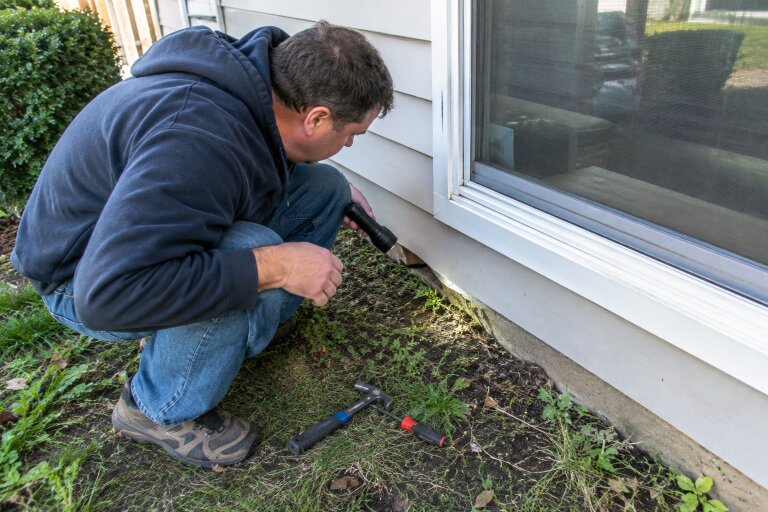
Walk slowly around the home and inspect door frames, window screens, garage openings, basement windows, crawl-space vents, and foundation cracks. Pay special attention to openings around plumbing, wiring, dryer vents, and utility lines. Worn weatherstripping and gaps under exterior doors are common trouble spots. Fine screening and caulk may help block many insects, while rodent exclusion usually requires more durable materials because rodents can damage weak barriers.
Remove Food, Water, and Shelter
A spotless home is not required for meaningful prevention. The goal is to make food, moisture, and hiding places harder to find. Store dry goods and pet food in sealed containers, clean up crumbs and grease after meals, and keep trash and recycling containers closed—and repair dripping faucets, leaking pipes, and damp areas around appliances. Reduce unnecessary cardboard, stacked paper, unused fabric, and clutter in garages, basements, and closets. Outdoors, keep firewood, leaf piles, and yard debris away from exterior walls.
Build a Seasonal Pest Prevention Calendar
Spring Checks
Inspect screens, gutters, windows, and foundation areas after winter weather. Look for early ant trails, moisture damage, and new nests. Trim fresh plant growth back from doors, siding, and vents so pests have fewer protected routes toward the structure.
Summer Checks
Remove standing water from containers, toys, gutters, and low areas in the yard. Cover outdoor food during gatherings and clean up spills promptly. Check shaded eaves, sheds, and play areas for stinging-insect activity before it creates a safety issue.
Fall and Winter Checks
Seal gaps before cooler conditions encourage pests to seek indoor shelter. Inspect attics, garages, basements, and storage rooms for droppings, gnaw marks, nesting material, damaged insulation, or unusual scratching sounds.
Make the Yard Less Inviting
Yard care cannot prevent every pest issue, but it can reduce hiding places and make new activity easier to notice. Trim branches and shrubs away from roofs, gutters, and siding. Keep dense ground cover and tall grass under control, improve drainage near the foundation, and store lumber or firewood off the ground and away from the house. Bird feeders and outdoor waste containers should be positioned and maintained so spilled seed, food residue, and odors do not collect beside the home.
Use Traps, Baits, and Products With Care
Always read the full label before using a pest-control product. Use it only for the listed pest and location, never move an outdoor product indoors, and keep products in their original containers. Store them away from children, pets, food, heat, and moisture. Do not mix products unless the label specifically permits it. “Green,” “natural,” and “plant-based” do not automatically mean harmless. Placement, amount used, ventilation, and possible exposure all matter.
Choose the Right Response for Common Pest Problems
Ants and Cockroaches
Clean food residue, check for leaks under sinks, and seal gaps around counters, windows, and plumbing. Monitors can help reveal where activity is concentrated behind appliances or inside cabinets.
Rodents
Look for droppings, gnaw marks, nesting material, and sounds in walls or ceilings. Secure food, reduce storage clutter, seal openings with durable materials, and place traps only where children and pets cannot reach them.
Stinging Insects, Termites, and Bed Bugs
Keep away from active nests near entrances, roofs, or play areas. Termites and bed bugs can remain hidden, so warning signs such as mud tubes, discarded wings, shed skins, or repeated bites deserve attention. Washing bedding alone may not resolve an established bed bug problem.
When DIY Prevention Makes Sense
Do-it-yourself prevention can be appropriate when the pest is correctly identified, activity is limited, and the cause is clear, such as exposed food or standing water. It is also important that repairs and cleanup can be completed safely and that monitoring shows activity is declining.
When to Seek Trained Help
Consider trained help when the same pest returns despite repeated prevention efforts; the source may be inside a wall or crawl space, or the pest cannot be identified with confidence. Prompt assessment is also sensible for possible termite damage, heavy rodent contamination, bed bugs in multiple rooms, and stinging-insect nests near busy living areas. Households with allergies, asthma, chemical sensitivities, or other health concerns may benefit from a more cautious plan.
Healthy Home Habits and a Simple Monthly Check
Ventilation, leak repairs, clean storage, dry basements, working screens, and routine inspections all support a healthier home. A healthy-home approach to pest prevention also centers on reducing pests’ food, water, shelter, and access points.
- Walk the exterior and check for gaps, damaged screens, and standing water.
- Inspect under sinks, behind appliances, and near water heaters for leaks.
- Check food storage, pet supplies, cardboard, and trash areas.
- Note droppings, trails, webbing, nests, or gnaw marks with dates and locations.
- Act early when the same signs appear more than once.
Final Takeaway
Safer pest prevention begins with simple, consistent habits rather than relying only on treatment after a problem appears. Sealed entry points, dry spaces, clean food storage, a maintained yard, proper waste management, and regular monitoring can reduce conditions that attract many common pests. Homeowners can also inspect doors, windows, vents, plumbing openings, basements, attics, and exterior walls for gaps, moisture, or signs of activity. Addressing leaks, standing water, clutter, and damaged screens can further reduce potential food, water, and shelter sources. When activity is persistent, hidden, widespread, or potentially dangerous, careful assessment is the better next step. Identifying the pest and determining why it is present can help homeowners correct the underlying conditions and choose targeted control only when it is truly needed. This approach can make pest prevention more organized, reduce unnecessary treatments, and support long-term home maintenance.