






Key Takeaways
- A home with acreage requires research beyond a standard residential inspection.
- Usable land, legal access, restrictions, utilities, drainage, and boundaries matter as much as the house.
- Wells, septic systems, private roads, fencing, barns, and ponds can create significant maintenance responsibilities.
- The option period is the time to verify documents, inspections, insurance, and intended land use.
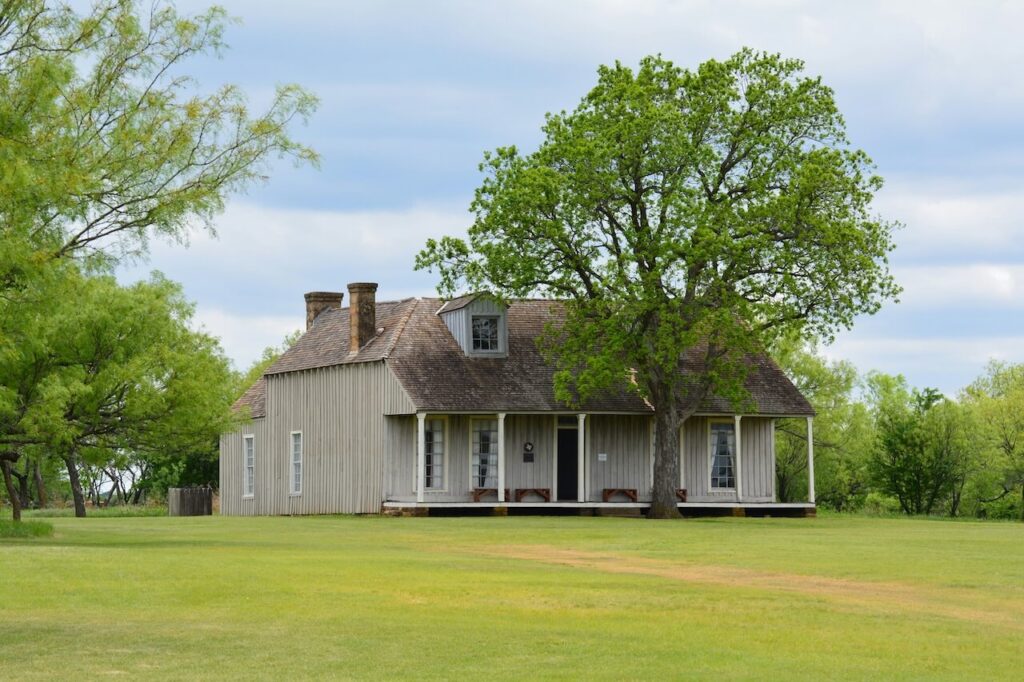
Buying a home with land in North Texas can mean more privacy, room for animals, space for a workshop, or a quieter setting outside the city. It also means evaluating far more than bedrooms, finishes, and curb appeal. The driveway, pasture, water source, drainage path, fence lines, and utility connections can all affect whether the property truly fits your plans. For buyers comparing acreage around Celina, Collinsville, Denton, Gainesville, Sherman, and nearby communities, Celina, TX, real estate experts Texas Homes and Land offer local guidance on homes, ranches, land, horse properties, and rural real estate. Texas Homes & Land serves North Texas areas, including Cooke, Grayson, Denton, and Collin counties, where experience with access, acreage, and property features can help buyers ask better questions before making an offer.
Why Land Properties Need Extra Due Diligence
A suburban purchase typically centers on the house and lot. An acreage purchase may include a residence, private road, gates, fencing, barns, detached garages, ponds, pasture, trees, drainage features, well equipment, and septic components. More land can provide flexibility, but it also creates more systems to understand and maintain. Do not assume that listing descriptions answer every practical question. Verify important details through title records, surveys, inspection reports, service providers, and the appropriate local offices.
Define Your Intended Use
Before touring a property, decide what the land must do for you. “Acreage” can mean a private homesite, horse property, hobby farm, recreational tract, garden space, or future building location. A parcel that feels private may not have suitable terrain, access, restrictions, or utilities for every use.
Questions To Ask Before You Fall In Love With A Property
- Will you keep horses, livestock, chickens, or other animals?
- Do you want a shop, barn, pool, guest house, or additional residence?
- Will you need space for trailers, equipment, gardening, or recreation?
- Does remote work require dependable high-speed internet?
- Are you comfortable trading nearby shopping and paved streets for privacy?
Review Restrictions And Rules
Rural and semi-rural do not automatically mean unrestricted. Depending on location, a property may be affected by city zoning, county requirements, deed restrictions, subdivision covenants, homeowners association rules, utility easements, and building setbacks. These rules can influence livestock, rentals, home businesses, accessory dwellings, manufactured homes, fencing, and outbuildings. If a planned use is central to your purchase, request written information from the relevant authority and review recorded documents. A casual assurance from a seller or neighbor should not replace the controlling rules.
Confirm Access, Boundaries, And Easements
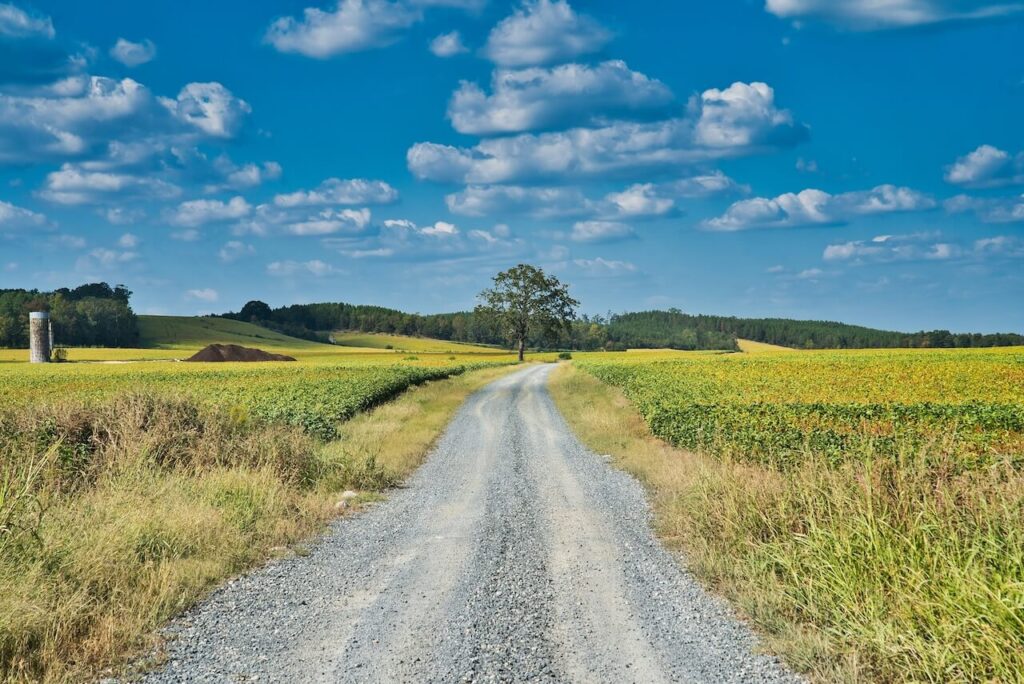
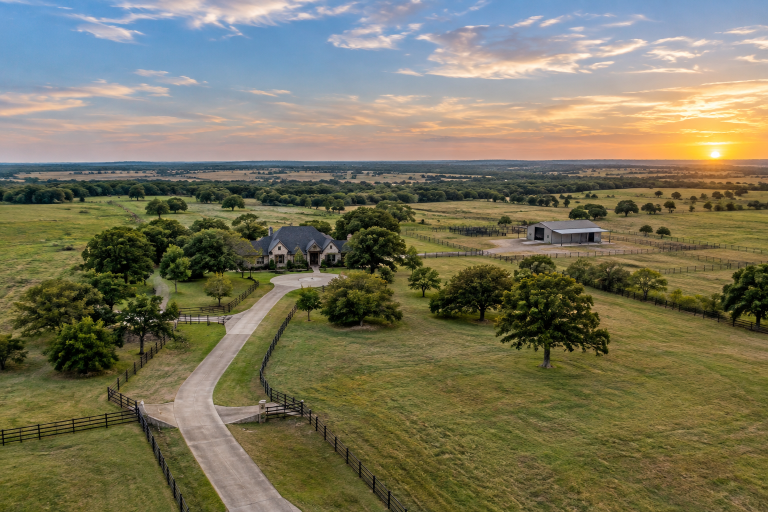
A visible driveway does not always establish legal access. Determine whether the approach is a public road, private road, shared drive, or easement. If the road is private, find out who is responsible for repairs, grading, gates, culverts, and storm damage.
Access And Boundary Checklist
- Review the legal description and title commitment.
- Look for recorded access, utility, drainage, and pipeline easements.
- Compare fence lines and improvements with the survey.
- Confirm that emergency vehicles can reasonably reach the home.
- Identify encroachments, shared gates, bridges, or structures near property lines.
Old fences are not always placed on surveyed boundaries. A current survey can be especially valuable when boundaries are unclear, or you plan to build near an edge of the tract.
Study Drainage, Soil, And Flood Risk
Walk the property carefully, and if possible, visit after rainfall. Look for standing water, erosion, washed-out gravel, low spots, creek channels, drainage pipes, and unstable slopes. These conditions can affect driveways, building sites, pasture use, and maintenance needs. Use the FEMA Flood Map Service Center to begin reviewing mapped flood hazards, then discuss property-specific concerns with qualified professionals. For an early look at mapped soil characteristics, the USDA Web Soil Survey can support planning questions. Neither resource replaces a site inspection, engineering evaluation, or septic assessment.
Check Utilities And Connectivity
Utility questions often become more important outside established subdivisions. Confirm whether the home uses public water, a private well, or another source. Ask for well records, water-testing information, septic details, service history, and documentation of any treatment equipment. Also, verify electrical service to the house, shop, barn, gates, and other improvements. If propane is used, ask about tank ownership and service arrangements. “Internet available” can mean several very different things, so confirm the provider, service address, expected speed, installation process, and reliability for your work or school needs.
Inspect Every Improvement
A general home inspection is important, but it may not fully evaluate every feature of an acreage property. Review the roof, foundation, HVAC, plumbing, electrical systems, drainage, driveways, culverts, retaining walls, fences, gates, barns, workshops, detached garages, ponds, wells, and septic equipment. When concerns arise, bring in the right specialist. A foundation evaluation, septic inspection, well test, roof inspection, structural review, or pond assessment may provide clarity that a general inspection cannot.
Calculate Ownership Costs
The purchase price is only one part of the budget. Ongoing costs may include property taxes, insurance, mowing, brush control, tree work, fence repair, road maintenance, septic service, well treatment, equipment, pasture care, and repairs to outbuildings. Build a realistic annual budget before making an offer. A lower-priced home on land can become expensive if it needs drainage work, utility upgrades, new fencing, road repairs, or major deferred maintenance.
Use The Option Period Wisely
Schedule due diligence early in the option period. Order inspections, review the survey and title documents, request restrictions, seek insurance quotes, check utility availability, and verify your intended use. Contract deadlines matter, so rely on your licensed real estate professional and legal counsel for guidance about your specific contract rights.
Common Buyer Questions
Does More Acreage Always Mean More Value?
No. Value depends on location, access, usable terrain, utilities, improvements, restrictions, and buyer demand. A smaller tract with practical access and reliable utilities may be more useful than a larger tract with limitations.
Can Buyers Build Whatever They Want On Rural Land?
Not necessarily. Even rural property may be subject to restrictions, easements, septic requirements, permits, setbacks, and local regulations.
What Is The Most Common Mistake?
Focusing only on the home while overlooking access, land condition, restrictions, utilities, and long-term maintenance. The right North Texas property should support both your lifestyle and your budget long after closing.
Conclusion
Buying a home with acreage in North Texas means looking beyond the house to understand how the entire property will support your plans. Before making an offer, evaluate the land’s usable areas, legal access, boundaries, restrictions, drainage, utilities, and existing improvements. Wells, septic systems, private roads, fences, barns, and ponds may also bring ongoing costs that should be included in your budget. Use the option period to arrange appropriate inspections, review title documents and surveys, confirm insurance options, and verify that your intended use is permitted. Whether you are looking for a horse property, hobby farm, workshop space, or simply more room and privacy, careful due diligence can help you identify potential limitations before closing. A well-informed purchase should fit not only your vision for the land but also your ability to maintain it over time.