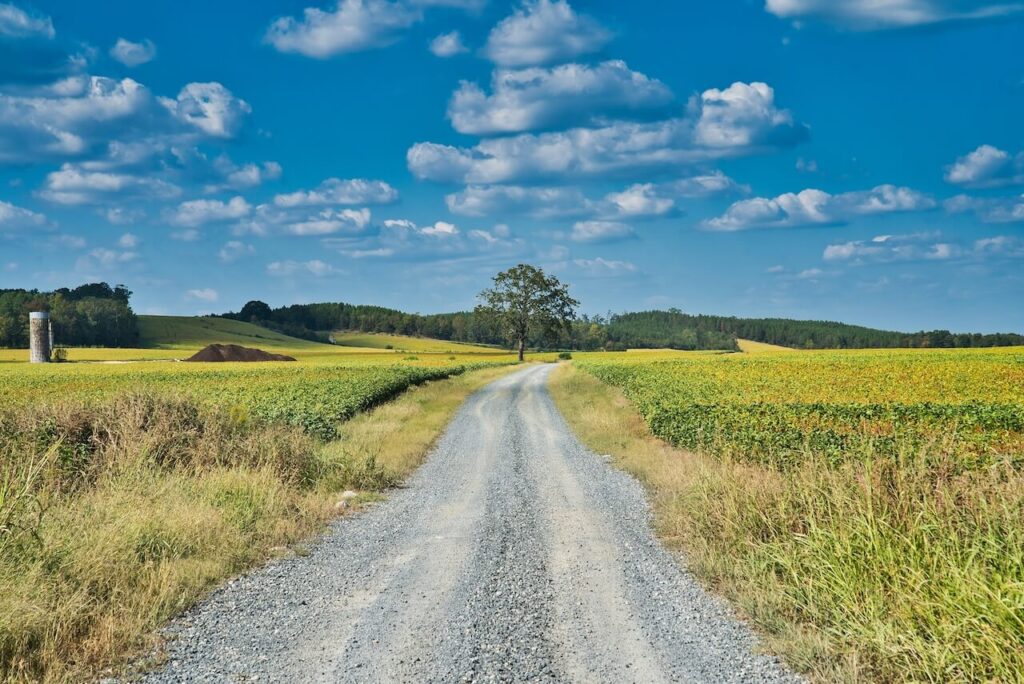







Truck drivers typically travel on paved streets and highways. Gravel roads can present unique challenges. Uneven surfaces, limited traction, changing road conditions, and loose stones can all make driving on gravel more difficult than it appears at first. Drivers may need to adjust their steering, speed, braking, and following distance to maintain better control of their vehicles. Without proper techniques in place, even a routine trip down a rural road can result in a serious accident.
The Reduction of Traction
One of the biggest differences between driving on a gravel road and a paved road is the loss of traction. Asphalt and concrete provide a more consistent surface for your tires to grip when driving on a paved road. Because gravel consists of loose stones that can shift beneath your tires, it doesn’t offer the same level of traction. When your tires can’t maintain consistent contact with the roadway, it can be more difficult to turn, stop, or even accelerate.
When you make any sudden movements on gravel, your tires can easily slide. This greatly increases the risk of losing control of your vehicle. When driving on gravel, it’s important to accelerate gradually and avoid making any abrupt steering adjustments. Maintaining a steady speed and always leaving enough room to respond to unexpected hazards is a must.
It’s also important to note that road conditions on a gravel road can change from one section to another. Some areas may contain very loose stones, while others might have tightly packed gravel. You may come across patches of dirt or even sand on a gravel road. This requires the driver to maintain alertness throughout the entire journey so they can adjust their driving technique accordingly.
Altered Braking Techniques
Another thing to keep in mind is that braking on a gravel road is much different than on a paved road. Loose stones will reduce your traction, making your vehicle take longer to stop than usual. It’s best to increase your following distance to allow more room for gradual braking. Anytime you’re approaching a driveway, sharp curve, intersection, or stopped vehicle, it’s best to slow down early to prevent sudden stops.
Many modern vehicles have anti-lock braking systems, known as ABS for short. These help to prevent the wheels from locking up during hard braking events. Drivers generally need to apply firm, continuous pressure to the brake pedal during an emergency stop rather than pumping the brakes. While ABS can be exceedingly helpful in some scenarios, it can’t completely eliminate the risks associated with reduced traction on gravel surfaces.
Avoid Skidding by Steering Correctly
Whenever you’re steering on a gravel road, you need to use smooth and controlled movements. Any sharp turns can easily overwhelm the traction available to your vehicle and cause it to skid. Your risk of skidding increases when you’re traveling too quickly or encounter a loose section of gravel on a turn.
It’s always best to reduce your speed before you make any sort of steering movements. Anytime your vehicle begins to slide, avoid making sudden steering corrections, as they can make the situation even worse. The correct response to a skidding event depends on the direction of the skid and your vehicle’s current behavior.
It’s also important to note that gravel roads may have uneven edges and soft shoulders. If you’re moving too far toward the edge of the road, it could cause your tire to drop onto a lower surface. This can make it extremely hard to return safely to the gravel roadway.
Maintain a Safe Following Distance
Gravel roads tend to produce dust clouds that reduce visibility when driving. Any vehicle that’s traveling ahead of you can throw stones into the air and make it harder for you to see the roadway or even identify oncoming traffic. Unfortunately, tailgating creates additional risks because you don’t have enough time to respond if the vehicle ahead of you slows down or encounters an unexpected obstacle.
Loose gravel requires a greater stopping distance than you would normally need on a dry, paved road. Increasing your following distance provides more space that can help you avoid sudden maneuvers. Additionally, the farther you travel behind the vehicle in front of you, the better your visibility will be.
Understanding Common Gravel Road Hazards
Gravel roads can contain several different hazards that are much less noticeable on paved roads. Washboard surfaces, deep ruts, standing water, loose stones, and potholes are just some of the many hazards that can affect your vehicle’s stability on a gravel road. Rain can easily make unpaved roads particularly unpredictable to drive on.
Water can easily soften the road surface, conceal potholes, and create muddy patches. Additionally, after a prolonged dry weather spell, loose gravel can produce more dust that will reduce visibility. It’s important for drivers to always scan the roadway ahead and look for any sort of changes in elevation, surface conditions, or texture.
Unfortunately, blind hills and curves can present additional challenges to drivers. Rural roads tend to be popular routes for farm equipment, animals, and even pedestrians. Anytime you’re approaching a blind curve or hill, you should slow down and be cautious. This will allow you to see these other roadway users while you still have adequate time to avoid them.
What Happens When You Fail to Adjust Your Driving?
Anytime a driver fails to adjust their driving techniques when transitioning from a paved road to a gravel road, it can have serious consequences. Vehicles can collide with oncoming traffic, roll over, strike roadway objects, or even slide into ditches. Distracted driving, excessive speed, failing to account for hazardous road conditions, and following too closely can all increase the risk of a serious collision.
Many people who are injured in accidents may face lost income, vehicle damage, extended recovery times, and medical expenses. If you’ve been injured in an accident on a gravel road, it’s best to consult an experienced car accident lawyer like the ones at Prince Law Firm. They can help determine the circumstances of the accident and whether you’re entitled to compensation.