







Table Of Contents
- A Wider Career Landscape
- Why Technology Skills Matter More
- Career Paths Beyond Machine Operation
- Core Skills Employers Look For
- Training, Apprenticeships, And Certifications
- How Other Industries Can Lead To Heavy Equipment Work
- What Employers Can Do To Attract Talent
- How Job Seekers Can Prepare
- Common Questions About Heavy Equipment Careers
- The Road Ahead
Heavy equipment careers in 2026 extend far beyond running an excavator, loader, or dozer. Construction, agriculture, utilities, mining, infrastructure, and environmental projects all depend on people who can operate, repair, inspect, move, support, and manage complex machines. For employers building teams in specialized areas, Ag equipment recruiters can also help connect agricultural equipment businesses with professionals whose technical and operational experience fits the work.
For job seekers, the opportunity is not limited to people who have spent years around large machines. Mechanical aptitude, safe work habits, diagnostic thinking, organization, customer service, and a willingness to learn can all pave the way into the industry. The strongest careers increasingly combine practical hands-on ability with comfort using digital tools and working closely with customers or crews.
A Wider Career Landscape
Modern equipment operations require a network of skilled people. Operators produce work on the job site, technicians keep machines available, parts teams prevent repair delays, and service coordinators keep information moving between customers and the shop. Rental, fleet support, transportation, safety, sales, and branch leadership also provide career options for people who want to stay close to the equipment industry without spending every day in an operator’s seat.
The demand for capable repair professionals remains especially important because equipment downtime can stop an entire crew. The U.S. Bureau of Labor Statistics projects employment growth for heavy vehicle and mobile equipment service technicians from 2024 through 2034, reflecting the continuing need to maintain machines used in construction, transportation, and other essential industries.
Why Technology Skills Matter More
Technology is changing how equipment is operated, serviced, and managed. GPS machine control, telematics, cameras, sensors, electronic service manuals, and digital work orders are now common parts of the work. These tools can improve grading accuracy, identify maintenance needs earlier, document inspections, and help managers understand how machines are being used.
Workers do not need to become software engineers. They do need confidence with screens, diagnostic tools, mobile devices, and electronic records. A field technician, for example, may review fault codes and machine data before traveling to the customer. That preparation can reduce wasted trips, improve parts planning, and shorten downtime. Technology supports good decisions, but it does not replace mechanical judgment, safety awareness, or real-world problem solving.

Career Paths Beyond Machine Operation
Heavy equipment businesses need people across a broad range of roles, including:
- Equipment operators who run machines safely, follow site plans, and meet production goals.
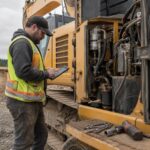
- Diesel and heavy equipment technicians who repair engines, hydraulics, electrical systems, undercarriages, and attachments.
- Field service technicians who diagnose and repair equipment at customer locations.
- Parts specialists who identify components, manage inventory, and speed up repairs.
- Service advisors and coordinators who organize communication among customers, technicians, and parts teams.
- Rental fleet specialists who monitor equipment availability, condition, delivery, and maintenance.
- Sales and product support professionals who help customers select machines and plan long-term support.
- Department and branch managers who lead people, budgets, customer relationships, and daily operations.
Core Skills Employers Look For
Successful candidates usually bring a blend of technical and people-centered skills:
- Technical skills: Mechanical systems, hydraulics, diesel engines, electrical diagnosis, welding, maintenance, and troubleshooting.
- Safety skills: hazard recognition, inspections, lockout/tagout practices, personal protective equipment, and safe machine operation.
- Digital skills: Diagnostic software, telematics, work-order systems, GPS controls, and electronic service records.
- People skills: Communication, reliability, teamwork, patience, customer service, and the ability to explain technical issues clearly.
- Business skills: Scheduling, inventory awareness, cost control, quoting, and basic project planning.
Training, Apprenticeships, And Certifications
There is no single entry route. Candidates may begin through technical schools, community colleges, union programs, military experience, employer training, or supervised apprenticeships. The most valuable programs combine classroom theory with substantial hands-on practice on real equipment and systems.
Many registered apprenticeship opportunities provide paid work, mentorship, related instruction, and credentials while participants develop job-ready skills. When comparing training options, look for programs that include hands-on machine time, cover hydraulics and electrical controls, teach safety practices, offer internship connections, and support relevant credentials.
How Other Industries Can Lead To Heavy Equipment Work
Experience from automotive, commercial trucking, aviation, agriculture, marine repair, military maintenance, industrial maintenance, and fleet service can transfer well. A commercial truck technician may already understand diesel systems, electrical testing, preventive maintenance, service documentation, and customer communication. The equipment may differ, but the discipline of diagnosing a problem methodically is highly valuable.
What Employers Can Do To Attract Talent
Employers need to make the opportunity clear. Job descriptions should explain pay ranges, schedules, travel expectations, tool requirements, training support, and advancement paths. Candidates also respond to simple applications and timely communication. Showing how a new hire can progress into lead technician, field service, supervisory, sales support, or management work makes the role more credible.
Retention matters as much as recruiting. Skilled workers are more likely to stay where leaders provide useful training, dependable equipment, respectful communication, realistic workloads, and recognition for quality work. Partnerships with schools, veteran groups, trade organizations, and workforce programs can create a steadier talent pipeline.
How Job Seekers Can Prepare
- List hands-on experience: Include repairs, inspections, tools, equipment use, and maintenance tasks.
- Show safety habits: Mention training, documentation, inspections, and safe work practices.
- Build digital confidence: Practice using electronic manuals, diagnostic tools, and work-order software.
- Use results-focused examples: Explain how your work reduced downtime, improved safety, or solved a difficult problem.
- Ask about growth: During interviews, ask about training, travel, schedules, equipment types, and advancement.
Common Questions About Heavy Equipment Careers
Do Heavy Equipment Jobs Require A Four-Year Degree?
No. Many roles begin through technical training, apprenticeships, military experience, or supervised work. Some engineering, business, and senior management roles may require additional education.
Are These Careers Only For People Who Love Machines?
No. The industry also needs organized coordinators, customer-focused advisors, technology-minded specialists, inventory professionals, and capable leaders.
Will Automation Remove Heavy Equipment Jobs?
Automation may change certain tasks, but skilled workers will still be needed to inspect equipment, maintain systems, solve problems, manage job sites, and make decisions in complex conditions.
The Road Ahead
Heavy equipment careers are broader and more technical in 2026, but they remain grounded in practical skill and dependable work. Whether someone starts as an operator trainee, technician, parts associate, service coordinator, or rental specialist, continued learning can open the door to long-term advancement. Employers that invest in training and clear career paths will be better positioned to build the teams needed for the next generation of infrastructure, agriculture, construction, and industrial work.