







Key Takeaways
- Wellington neighborhoods vary widely in home styles, amenities, rules, lot sizes, and upkeep requirements.
- Buyers should compare the full cost of ownership, not simply the purchase price.
- Gated, equestrian, established, and low-maintenance communities each involve different trade-offs.
- Association documents, permits, insurance details, and property condition can influence a buying decision as much as location.
Table of Contents
- Why Neighborhood Choice Matters
- Main Wellington Neighborhood Types
- What to Compare Before Buying
- Special Checks for Equestrian Properties
- Reviewing HOA and Community Rules
- Using Market Context Wisely
- Buyer Checklist
- Common Questions
Buying a home in Wellington is about choosing a lifestyle as well as a property. Two homes with similar prices may provide entirely different experiences, from a low-maintenance villa with community amenities to an estate with acreage, a pool, or horse facilities.
For buyers reviewing current Wellington, FL Homes for Sale, Breakers West Properties offers a Wellington-focused property search resource and local guidance for buyers comparing homes across Wellington, West Palm Beach, Palm Beach, and nearby Palm Beach County communities. The brand’s experience includes new construction, vacant land, resale homes, and luxury properties, which can be especially useful when evaluating location, condition, and long-term lifestyle fit.
Why Neighborhood Choice Matters
Daily routines can look very different from one Wellington community to another. Consider commute routes, school access, grocery stores, parks, medical care, airport travel, and recreation before falling in love with finishes or décor. It is also wise to drive through an area during both quiet and busy periods, especially near equestrian venues where seasonal traffic and event activity may affect travel times.
Neighborhood rules matter, too. Restrictions may affect pets, parking, rentals, guest vehicles, exterior paint, fencing, landscaping, solar panels, pools, and renovations. The right home should support how you plan to live now while allowing reasonable flexibility later.
Main Wellington Neighborhood Types
Gated Family Communities
Gated communities often appeal to buyers seeking sidewalks, lakes, pools, clubhouses, and consistent neighborhood standards. Amenities can add value to daily life, but monthly dues, architectural approval requirements, rental policies, and the possibility of special assessments should be reviewed carefully.
Established Residential Neighborhoods
Older residential areas may offer mature landscaping, traditional streetscapes, and homes on established lots. They can be a good match for buyers seeking fewer community restrictions. However, older homes deserve thorough inspections of roofs, plumbing, electrical systems, windows, drainage, HVAC equipment, and prior permits.

Equestrian Communities and Estate Areas
Equestrian and estate properties can provide barns, paddocks, arenas, large lots, privacy, and convenient access to riding facilities. They may suit riders, trainers, seasonal residents, or buyers who simply value land. They also require a more detailed review of zoning, drainage, access, fencing, irrigation, and ongoing maintenance.
Condos, Villas, and Townhomes
Low-maintenance properties may work well for seasonal owners, first-time buyers, downsizers, and anyone who prefers less exterior responsibility. A lower purchase price does not always mean lower monthly costs, so buyers should examine association fees, insurance responsibilities, reserves, rental restrictions, and any planned capital repairs.
What to Compare Before Buying
Using the same questions for every property makes comparisons more practical and less emotional. Focus on the following areas:
- Location: Check travel time to work, schools, shopping, parks, major roads, Palm Beach International Airport, and favorite activities.
- Total ownership cost: Include taxes, homeowner’s insurance, possible flood insurance, HOA or condo fees, pool care, landscaping, roof replacement, storm protection, and repairs.
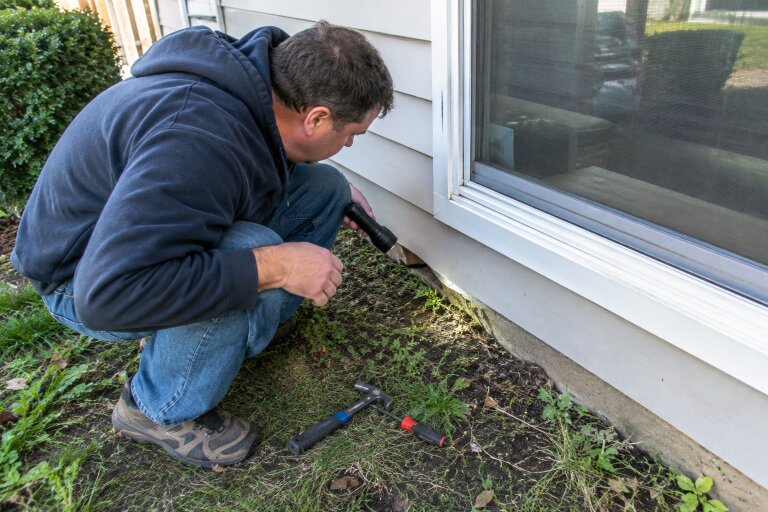
- Home condition: Ask about roof age, electrical panels, plumbing, HVAC, water heaters, moisture concerns, pests, drainage, storm damage, and open permits.
- Future flexibility: Confirm whether rules limit fences, additions, boats, trailers, commercial vehicles, rentals, pets, or exterior changes.
Flood exposure and drainage should be evaluated property by property rather than assumed from the neighborhood name. Buyers can begin with the Village’s floodplain management and flood map information, then discuss insurance requirements and property-specific risk with qualified professionals.
Special Checks for Equestrian Properties
An equestrian property is both a residence and a specialized facility. The main house is only one part of the purchase. Evaluate the property with inspectors and professionals familiar with agricultural or horse-related improvements.
- Inspect stall count, barn condition, ventilation, electrical service, tack rooms, wash areas, feed storage, and equipment storage.
- Review arena footing, lighting, shade, drainage, paddock layout, fencing, gates, and turnout space.
- Confirm trailer access, road access, water supply, irrigation, septic systems, easements, and stormwater management.
- Verify permitted uses, zoning, and any restrictions affecting horses, staff housing, manure management, or commercial activity.
Before making an offer, review the Village of Wellington’s planning, zoning, and building resources and verify details directly with the appropriate local offices. This is particularly important when future construction, barns, fencing, or agricultural uses are part of the plan.
Reviewing HOA and Community Rules
Monthly association fees tell only part of the story. Request the declaration, bylaws, rules, annual budget, reserve information, meeting minutes, insurance details, and notice of pending assessments. Ask what the fee covers and who is responsible for roofs, exterior walls, windows, landscaping, common areas, and storm-related repairs.
Buyers should also ask how often fees have increased, whether major repairs are planned, and whether leasing is limited. For condos and townhomes, association financial health can be as important as the unit itself.
Using Market Context Wisely
Market data can help establish a realistic offer strategy, but broad Wellington numbers should not be treated as a value estimate for every home. Luxury estates, equestrian compounds, condos, and standard single-family homes often move on different timelines. Compare recent sales within the same neighborhood and property category, then account for condition, upgrades, lot quality, insurance costs, and association obligations.
A Simple Buyer Checklist
- Set a comfortable total monthly budget before touring.
- Obtain mortgage pre-approval and estimate insurance early.
- Choose three to five non-negotiable neighborhood priorities.
- Visit promising areas at different times of day.
- Review taxes, fees, flood information, permits, and major systems.
- Request association or equestrian documents as early as possible.
- Use inspections suited to the home and property type.
- Compare recent relevant sales before submitting an offer.
Common Questions
What is the best Wellington neighborhood for families?
There is no universal answer. The best fit depends on school preferences, budget, commute needs, desired amenities, lot size, and comfort level with HOA rules.
Are equestrian properties more expensive to maintain?
They can be. Fencing, irrigation, arena care, barns, drainage, landscaping, equipment, and animal care may add substantial ongoing costs. A property-specific maintenance budget is essential.
Should buyers choose a gated community?
Gated communities can offer amenities, consistent standards, and a polished setting. In exchange, buyers may have recurring fees, approval processes, assessments, and restrictions on rentals or renovations.
Final Thoughts
The strongest Wellington home choice is rarely based on square footage alone. A thoughtful comparison of location, rules, condition, maintenance, insurance, and future flexibility can help buyers avoid surprises. The right neighborhood is the one that supports both daily life and long-term ownership goals.